
Ou vle tout, ou pèdi tout.
(You want everything,
you lose everything)
Haitian proverb
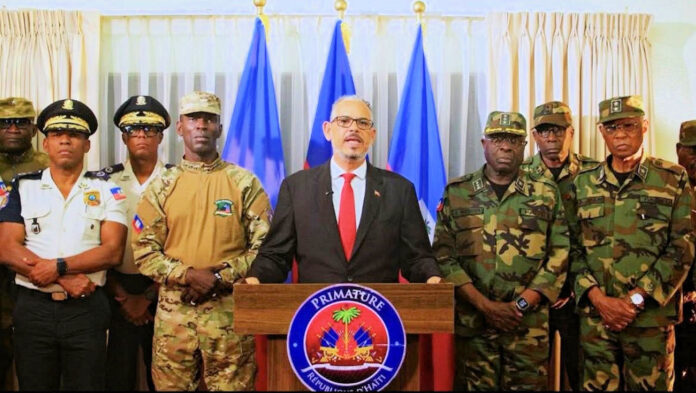
It is February 7, 2026. From this day forward, the de facto Prime Minister, Alix Didier Fils-Aimé, holds all but total power in Haiti.
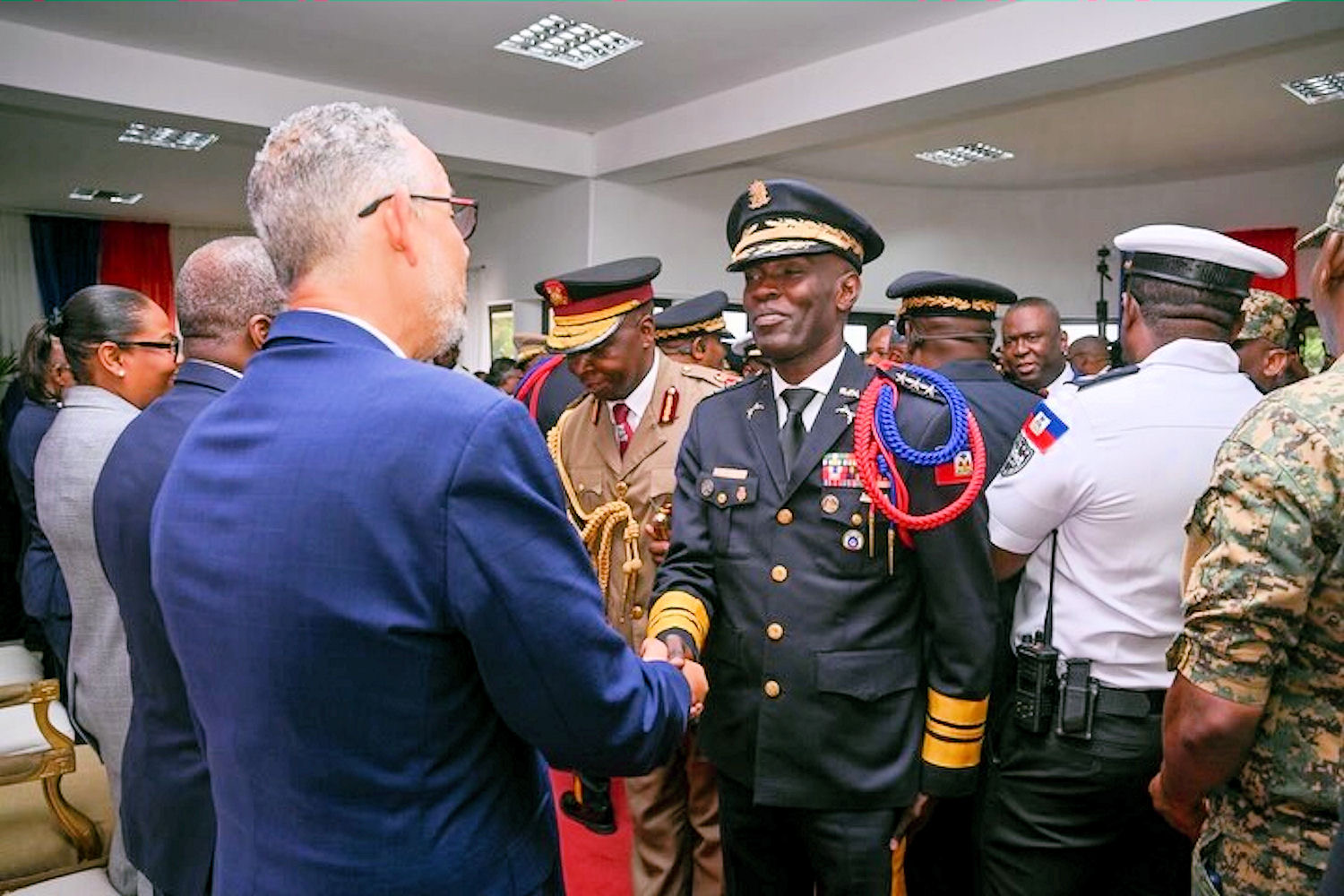
He has a government formed without any popular mandate. He exercises operational authority over the Haitian National Police (PNH), whose chief, Vladimir Paraison, is his loyal right-hand. He coordinates a security apparatus, combining national armed forces, exceptional measures, and foreign mercenaries, both public (GSF) and private (Vectus Global). He benefits from the active support of the ruling bourgeoisie, which structurally benefits from the current political order. He enjoys the recognition, as well as political and military protection, of foreign powers, primarily the U.S..
Finally, he operates in a political space deliberately emptied of any credible political opposition; it has been neutralized, disqualified, coopted, or criminalized.
In other words, the Fils-Aimé regime now possesses control of all the levers that it has itself presented as necessary for governing. It has coercive force. It has de facto institutional continuity. It has international support. It has the absence of any structured political opposition.
Under these conditions, there are no longer any institutional, political, or operational obstacles capable of hindering its actions. And, consequently, there are no longer any excuses.
This means one fundamental thing: from now on, every decision made, every decision delayed, every avoidable failure, every security lapse, every violation of fundamental rights, every measurable increase in social misery, will fall directly and exclusively under the political responsibility of the de facto executive and the power structure that supports it. It will no longer be able to blame: political instability, since it controls it; the opposition, since it is nonexistent; a lack of resources, since they are provided to it; foreign interference, since it benefits from it; or an institutional vacuum, since it has chosen to govern within and through this vacuum.

As of Feb. 7, 2026, if armed groups continue to thrive, it will no longer be due to a lack of resources, but to a lack of vision, political will, or popular support. If the violence persists, it will no longer be due to a lack of authority, but to the instrumentalization of terror as a mode of governance. If the population continues to be treated as expendable rather than as the group that should be served, it will be by design, not by accident.
The current regime lacks neither international support, nor logistical resources, nor diplomatic cover. It lacks only one crucial thing: legitimacy rooted in popular consent. And it is precisely this absence that renders this regime structurally unstable and highly dangerous.
Therefore, central questions arises, and they can no longer be avoided:
To whom is this regime accountable after Feb. 7? If the answer is foreigner powers, then sovereignty is fictitious.
According to which legal standard? If the answer is unclear, then this regime’s future is unclear.
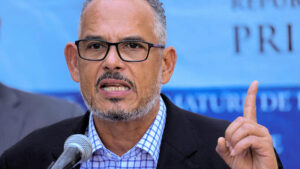
In the name of which people? If it is not the Haitian people, then its political project is completely illegitimate.
History will not judge Mr. Fils-Aimé by his speeches, nor by the communiqués of his international backers, nor by the technocratic justifications of the emergency. It will judge him by a simple, universal, and implacable criterion: what has he done with the total power exercised without any popular mandate?
From today onward, there are no more excuses, no more pretexts, no more rhetorical refuges. There is only power, with the political and historical responsibility that accompanies it.
This is where the real turning point lies. Haiti is not merely in crisis. Haiti is on the verge of normalizing power without any popular mandate whatsoever, where the exercise of force tends to replace the rule of law, and where administrative continuity replaces democratic legitimacy.
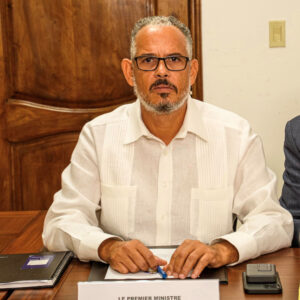
This model always produces the same effects: imposed silence, repressed anger, delayed explosion. These are the perfect conditions for revolutionary sentiments and momentum to grow.
Those who support this power today, both inside and outside of the country, bear a clear historical responsibility. For supporting a power without checks and balances does not prevent chaos. It merely postpones it, while exacerbating it.
From this day forward, raw, unchecked, unmitigated power is exposed. And history is watching. And no narrative will ever again be able to claim: “We didn’t know.”