
During 2024, Republican candidate Donald Trump campaigned on the promise that he would put an end to U.S. wars abroad and invest the money saved in rebuilding the deeply ailing U.S. economy.
His election gave many Haitians hope that, in 2025, Washington would scale back its meddling and bullying in Haitian affairs, helping to de-escalate the crisis gripping their nation.
Instead, Trump, along with his hawkish Secretary of State Marco Rubio, has turned out to be even more warlike and aggressive, not only in Haiti, but in the Caribbean generally.
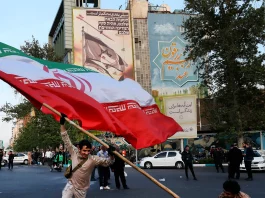
Since September, the U.S. Navy has bombed – without any justification – 31 boats in the Caribbean and Pacific, resulting in at least 107 deaths. The danger of all-out war with Venezuela, and maybe even Colombia and Cuba, appears to be growing weekly.
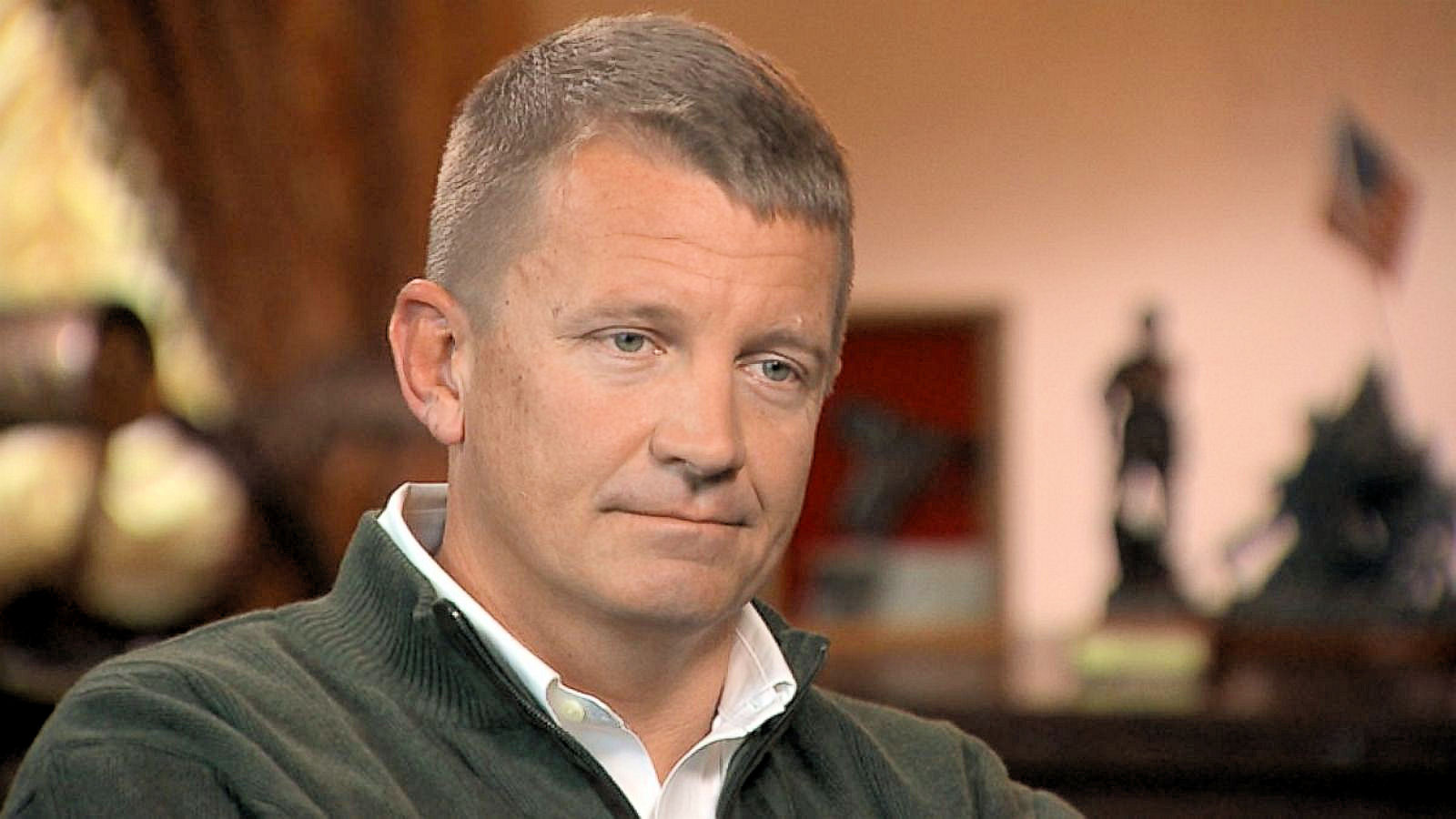
Photo:
ABC News
In Haiti, Trump’s offensive is being led by his old friend, Erik Prince, of Blackwater infamy, whose new mercenary outfit, Vectus International, has signed a 10-year multimillion dollar contract with Prime Minister Alix Didier Fils-Aimé. The mercenaries are seconded by the new Gang Suppression Force (GSF), which Rubio rammed through the UN Security Council in September. It has absorbed the forces of the former Multinational Security Support (MSS) mission, and Washington hopes it can find 5,500 foreign soldiers to fight its war against the Viv Ansanm (Live Together), a coalition-turned-party of armed neighborhood groups which continue to control most of the Port-au-Prince region.
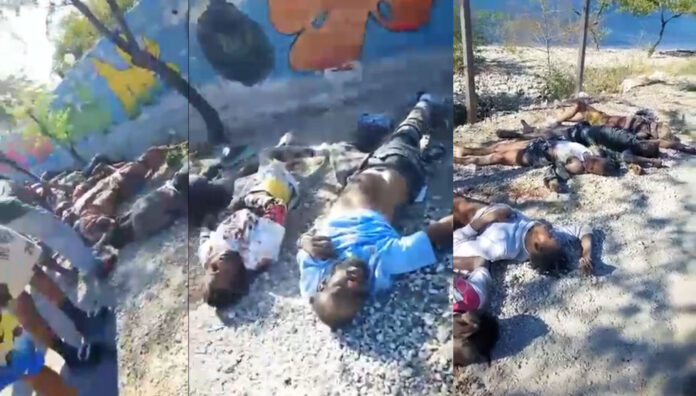
However, most of the fighting, or more accurately, massacres, have been carried out by Prince’s fleet of lethal drones, which have killed dozens of innocent civilians, including many children, but no “bandits,” according the Viv Ansanm.


The most recent horrific attack happened at the Minoterie (former flour mill), just north of the capital, when drones attacked a party of young people celebrating on Christmas Eve, killing 24 of them.
Such indiscriminate killing is increasingly turning Haitian public opinion against its would-be saviors and against the U.S.-appointed de facto Haitian government officials who have dismally failed in their mission to deliver an elected government by Feb. 7, 2026, when their mandate ends. There is absolutely no clarity about what will happen after that date, or when elections will be held, with infighting raging amongst government cliques, and the Trump administration acting increasingly ham-fisted.
For these reasons, 2026 promises to be a very eventful year.
Jan. 3-4: Aboard two large U.S. military aircraft on two separate days, 150 Guatemalan and eight Salvadorean soldiers and police officers arrive in Haiti to integrate into the MSS, headed by Kenya, bringing the force’s total deployment to 572 out of the 2,500 originally planned.

Photo: Dieugo André/The Haitian Times
Jan. 18: A Kenya Airways jet delivers another 218 Kenyan police officers in Haiti for integration into the MSS, bringing the force to 790. Nonetheless, Kenyan troops are between “anger and powerlessness.”
Jan. 22: Colombian president Gustavo Petro lands in Haiti, where he visits the southern city of Jacmel. There are rumors and speculation that his visit is to help free 17 Colombians still imprisoned in Haiti for their role in President Jovenel Moïse’s Jul. 7, 2021 assassination or to contribute troops to the MSS.
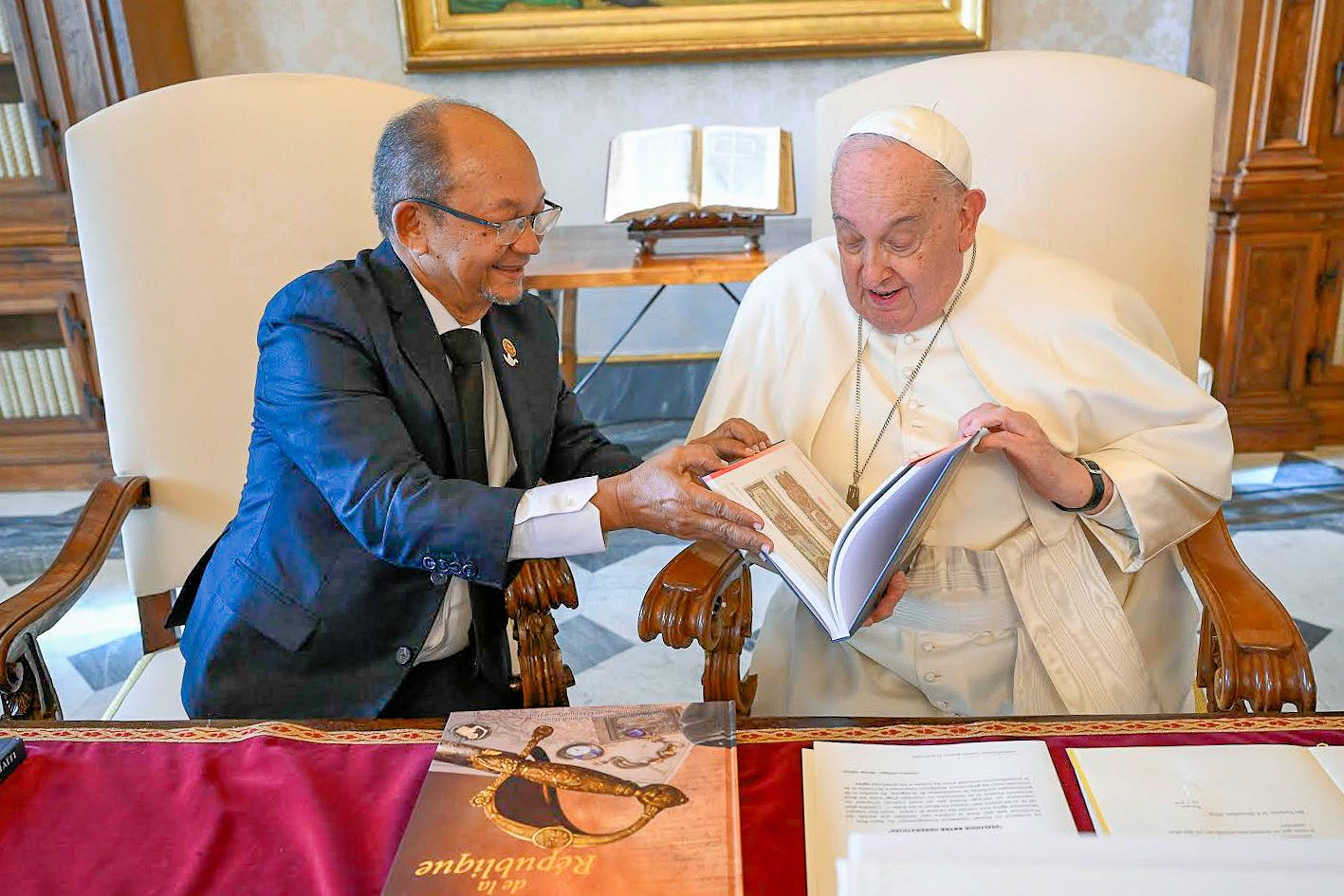
Jan. 25-28: Leslie Voltaire, Haiti’s de facto President under the revolving presidency of the Transitional Presidential Council (CPT), meets with Pope Francis in Rome and then French president Emmanuel Macron in Paris as part of a “strategic tour” to raise “international cooperation” for his unpopular, shaky government.
Feb. 4: Another 70 Salvadorean soldiers land in Port-au-Prince to take part in the MSS, bringing the force to 860 of the 2,500 foreseen.
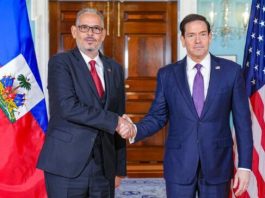
Feb. 6: In Santo Domingo, new U.S. Secretary of State Marco Rubio, in a joint press conference with Dominican president Luis Abinader, declares that the MSS “needs to find new direction in order to be successful in rooting out” the Viv Ansanm alliance. He also said he would support the Global Fragility Act to help turn Haiti into “a hub of near-shore light manufacturing.”

Feb. 10: In a ceremony with U.S. Ambassador Dennis Hankins, Haitian de facto president Leslie Voltaire, and Haitian National Police (PNH) chief Rameau Normil, the U.S. government contributes to the PNH and MSS several loaders and bulldozers, trucks, nine SUVs, 600 rifles, ammunition, and other materials “critical to continuing the fight against gangs,” according to a U.S. Embassy press release.
Feb. 13: A major fire breaks out at the Hospital of Haiti’s State University (HUEH), better known as Port-au-Prince’s “General Hospital,” the largest in Haiti. The cause of the fire remains unclear.
Feb. 20: Famed writer and painter Frankétienne, dies at his home in Delmas, Haiti.
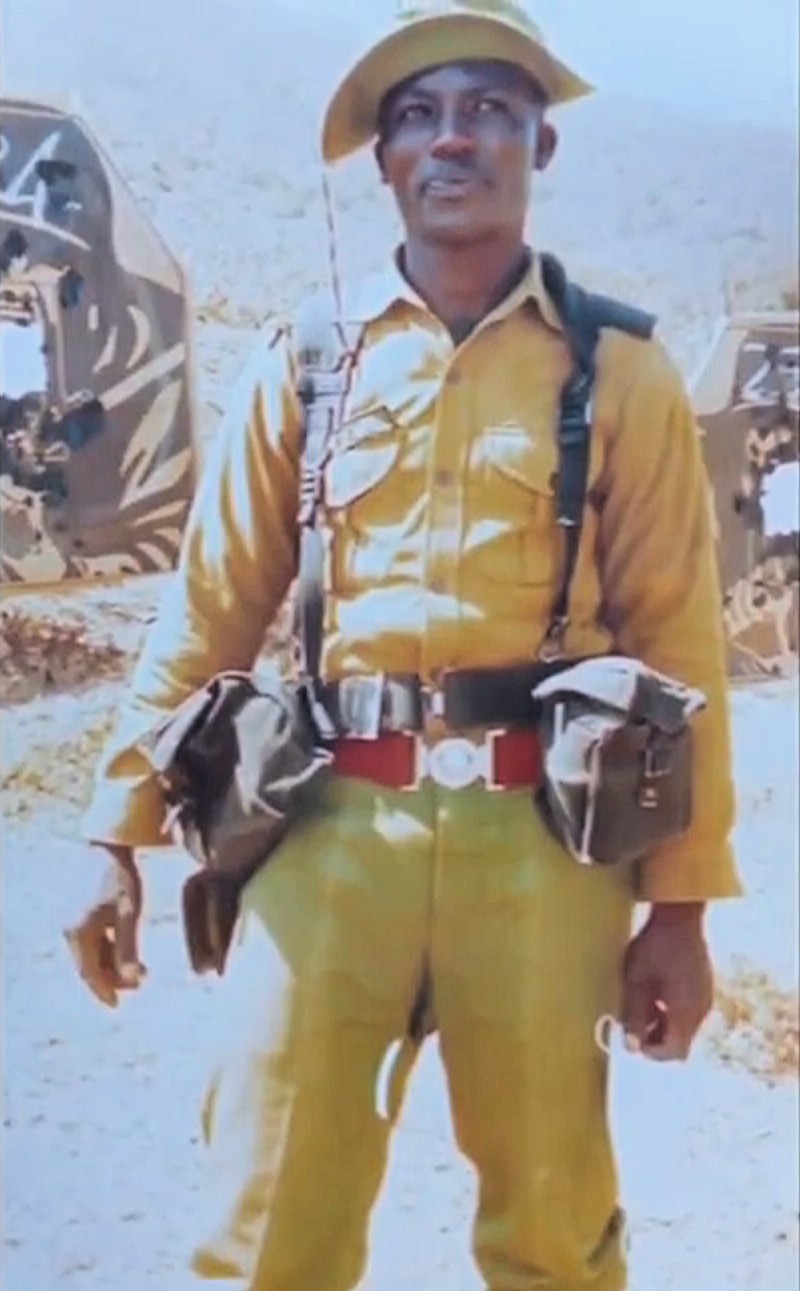
Feb. 23: Samuel Kaetuai becomes the first Kenyan policeman to die in Haiti during a battle with armed groups in the Artibonite Valley. He was shot in the head during an MSS operation.
Feb. 25: Masked, government-paid paramilitary gunmen known as “brigadiers” attack Delmas 30, burning several homes and killing several people, among them two brothers who were also Haitian Armed Forces (FAdH) soldiers, close to the family of Marcelin “Arab” Myrthil, who also was threatened but escaped.
Mar. 1: A “Task Force” of mercenaries, hired by Prime Minister Alix Didier Fils-Aimé as a part of Erik Prince’s Vectus International, attack Delmas 6 with explosive drones, killing two and injuring 14. Johnson “Izo” André, leader of Viv Ansanm’s Village de Dieu armed group, was also lightly wounded by an exploding drone.
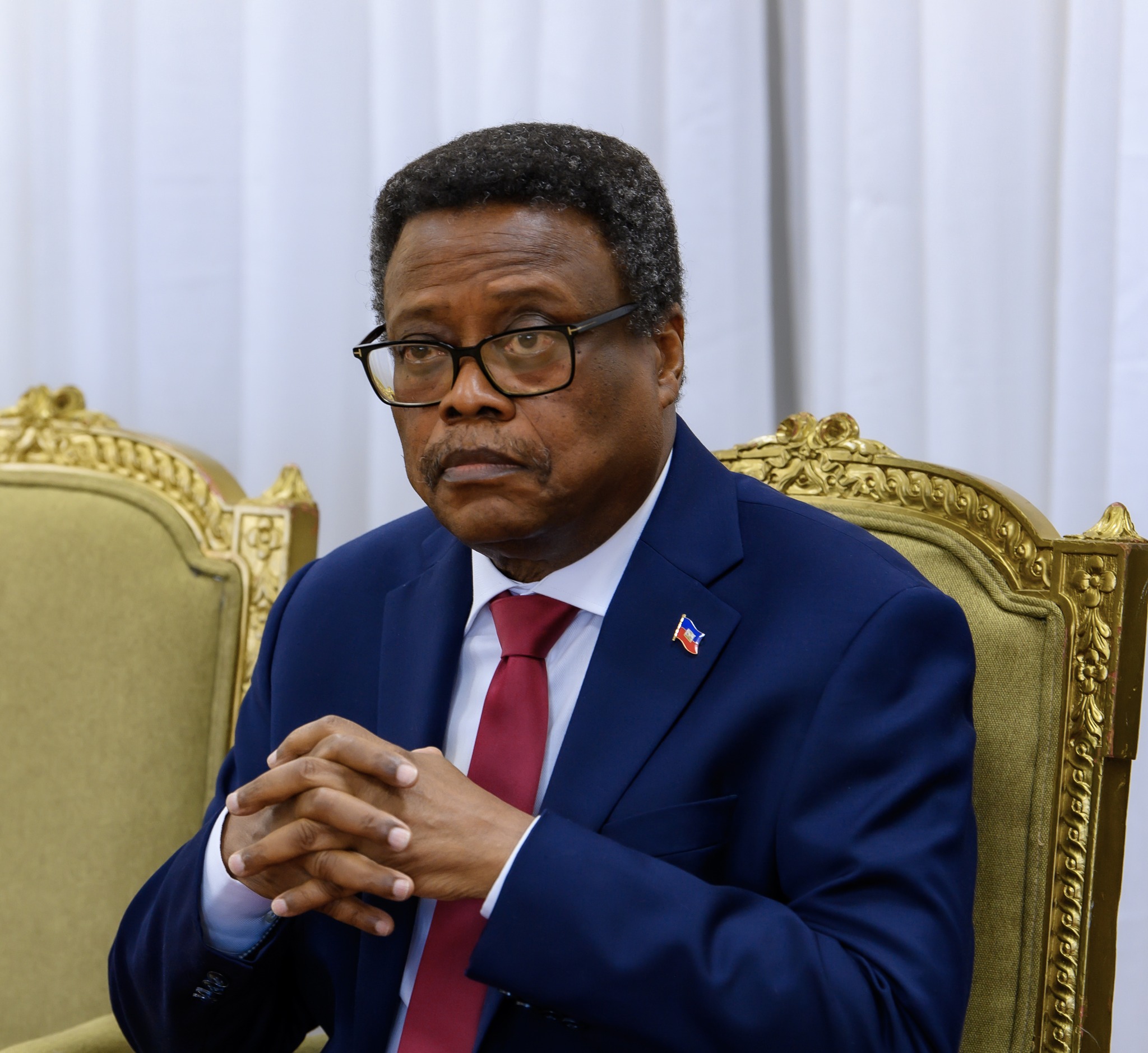
Mar. 7: Fritz Alphonse Jean, representing the Montana Accord coalition, is installed as Haiti’s third rotating de facto president, replacing the Lavalas Family’s Leslie Voltaire.
Mar. 14: After successfully fighting for TPS in 2019, Haitians again sue the Trump administration for planning to prematurely end Temporary Protected Status (TPS) for Haitians in August 2025 instead of February 2026.
Mar. 25: A second Kenyan MSS policeman, Bénédict Kabiru, is killed near the town of Pont Sondé in Haiti’s Artibonite Valley.
Mar. 25: The Trump administration ends Biden’s Cuba, Haiti, Nicaragua, Venezuela (CHNV) two-year work permit parole program, forcing some 532,000 migrants to repatriate within 30 days.
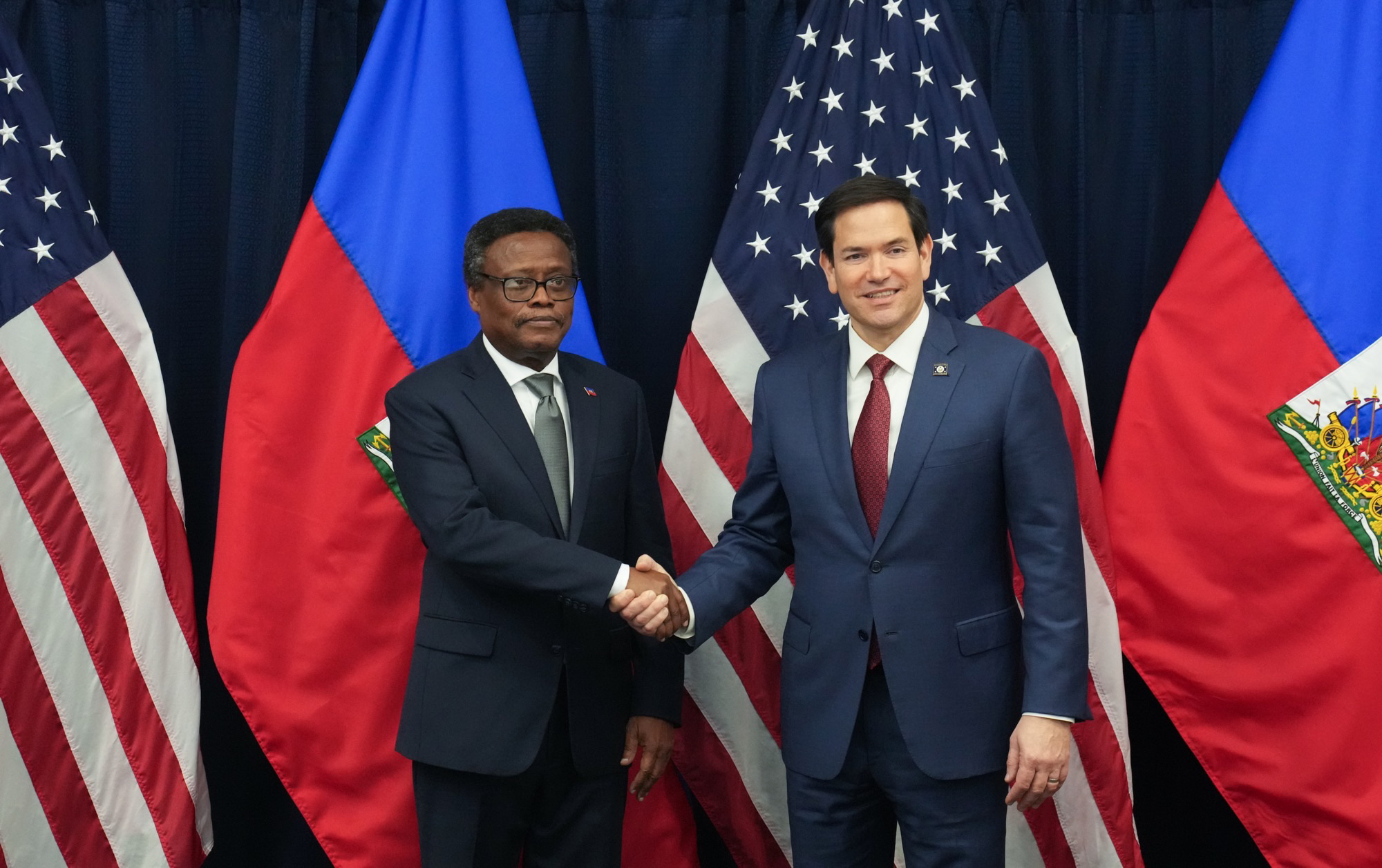
Mar. 26: President Fritz Alphonse Jean meets with U.S. Secretary of State Marco Rubio in Jamaica.
Mar. 27: Police in Port-de-Paix extrajudicially abduct and kill Weithzer Ervens Fénélon, 40, a truck driver, entrepreneur, and father of five who lived in Pompano, FL, provoking shock and outrage from his family and a judicial investigation.
Mar. 31: Haitian human rights lawyer, Mario Joseph, 62, dies at the UNIFA Hospital four days after a freak car accident at his home in Port-au-Prince.
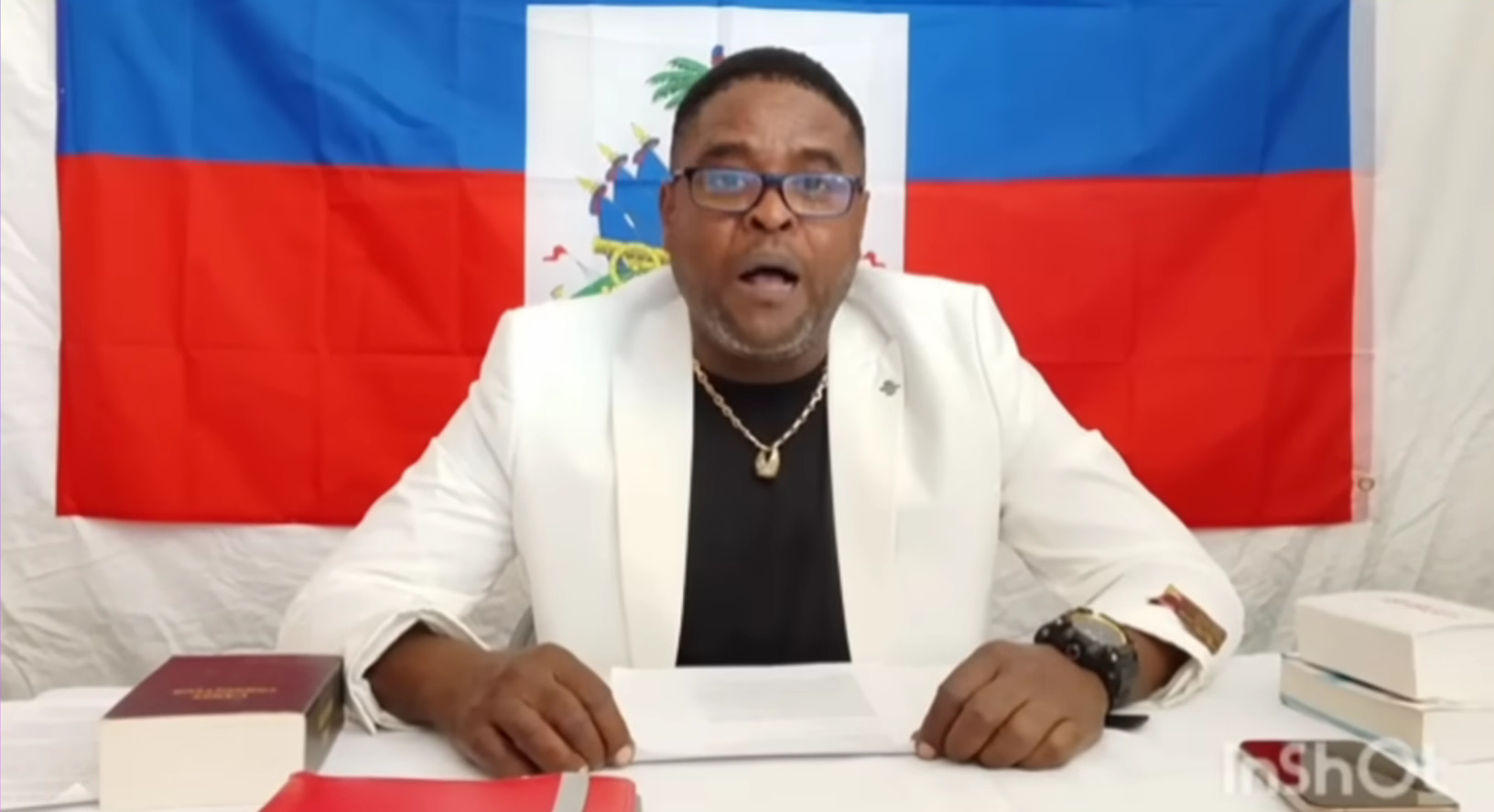
Apr. 4: Jimmy “Barbecue” Cherizier, president and spokesman for the Viv Ansanm political party, issues a video address saying that his armed group alliance would like to remove the CPT and Fils-Aimé from power but are blocked by the PNH in alliance with “brigade” paramilitaries.
Apr. 16: Canapé-Vert “brigade” leader Samuel Joasil aborts a mass demonstration that was to have marched on the Prime Minister’s office and the CPT’s Villa d’Accueil, saying that “300 people had been mobilized to massacre” the demonstrators. People saw this as an excuse and indication that Samuel had been coopted.
Apr. 17: French president Emmanuel Macron proposes “a joint Franco-Haitian commission tasked with examining our shared past” as a way to deflect renewed calls for restitution of the “independence debt” on the bicentennial of its imposition in 1825.
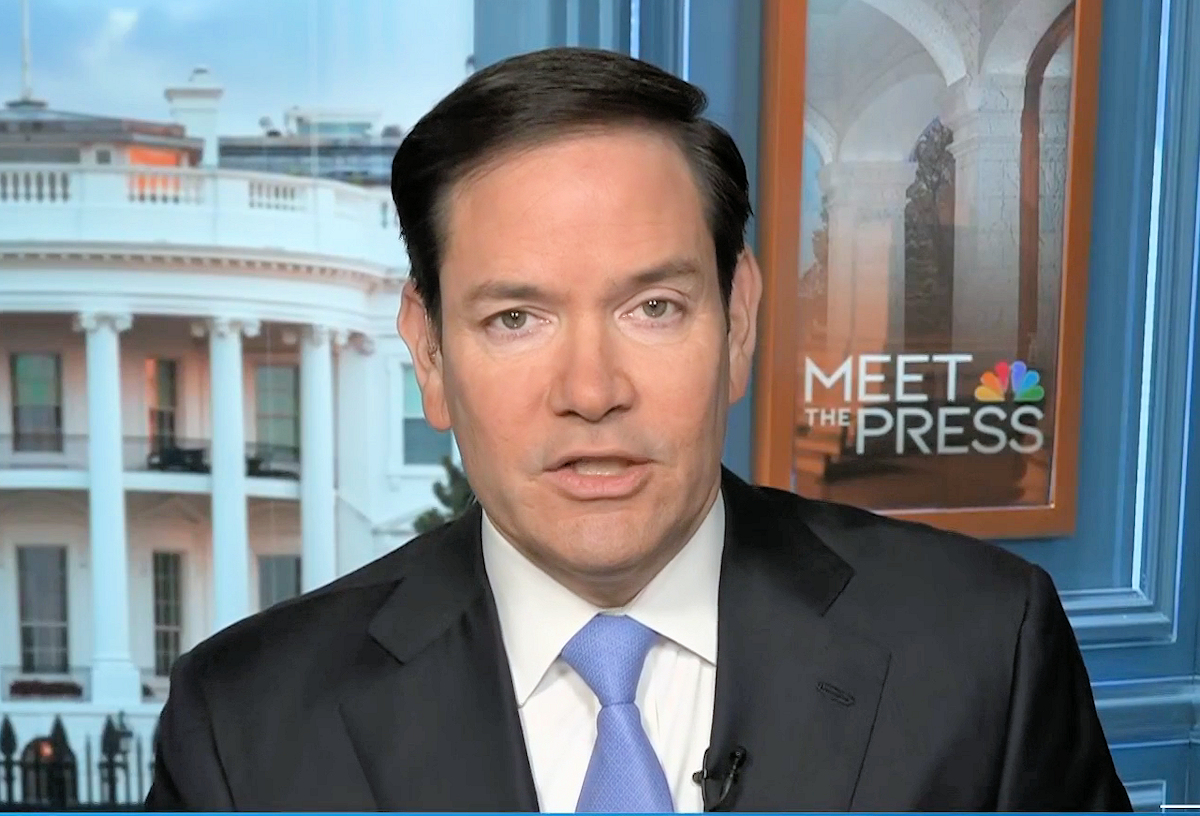
May 2: Marco Rubio’s U.S. State Department formally designates the Viv Ansanm and the Artibonite Valley-based Gran Grif (Big Claws) as “foreign terrorist organizations.”
May 5: Jimmy Cherizier issues a long statement explaining how Samuel Joasil had been coopted by the National Network for the Defense of Human Rights (RNDDH) head Pierre Espérance and journalist Rudy Sanon to fight the Viv Ansanm as well as carry out a coup against the CPT.
May 14: Current Dominican president Luis Abinader meets with three former ones – Leonel Fernandez, Danilo Medina, and Hipólito Mejia – to discuss the situation in Haiti and express support for the MSS.
May 20: Secretary of State Marco Rubio, speaking before a U.S. Senate committee, calls Haiti “a catastrophe in our own hemisphere” and says the MSS “alone will not solve the problem.” He calls for intervening with the Organization for American States (OAS) as was done in the Dominican Republic in 1965. “If ever there was a regional crisis that you would think an organization… could help solve it, it would be the OAS,” he said.
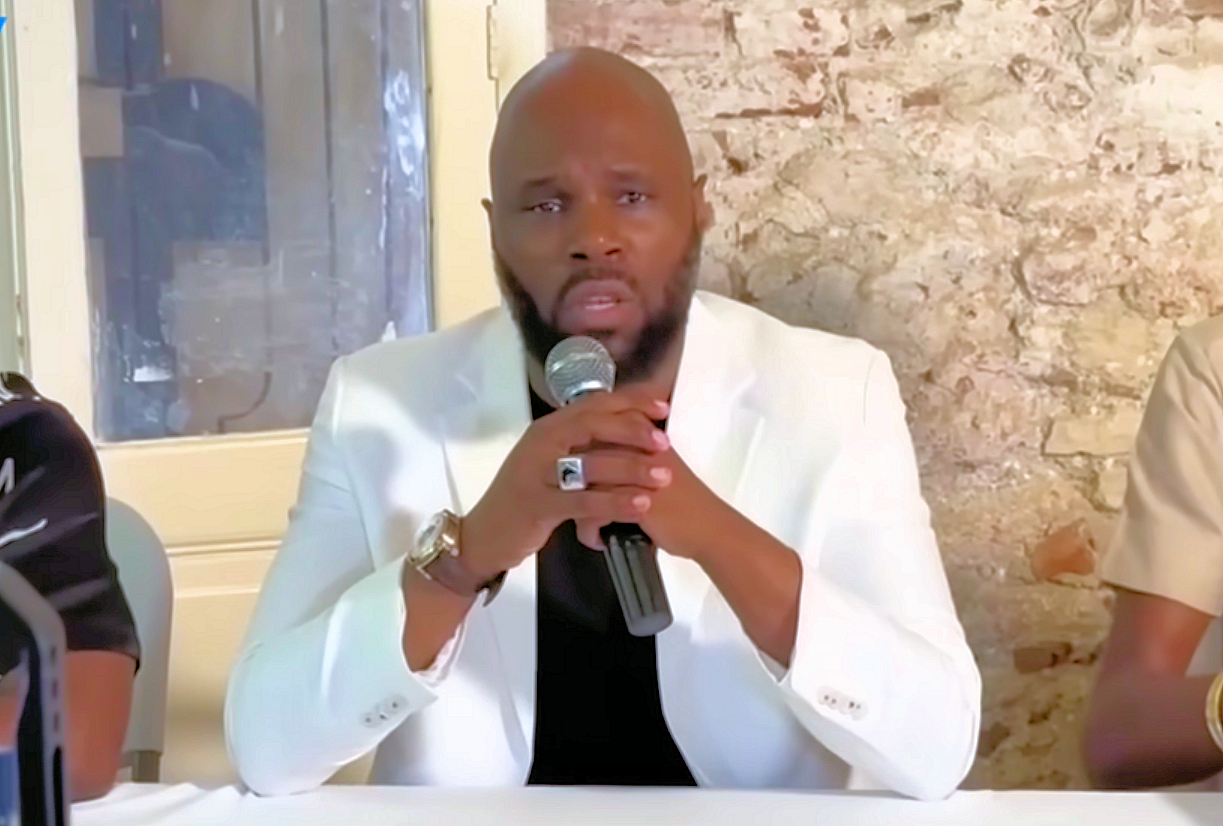
May 28: Pan-Africanist Kémi Séba visits Haiti where he declares that “the Haitian people’s enemy is not the ‘gangs’… [but] in reality the colonial system that seeks to subjugate Haiti.”
May 30: The U.S. State Department names Henry T. Wooster to be the new Chargé d’Affaires of the U.S. Embassy in Haiti, where he took the reins from Dennis B. Hankins on Jun. 12.
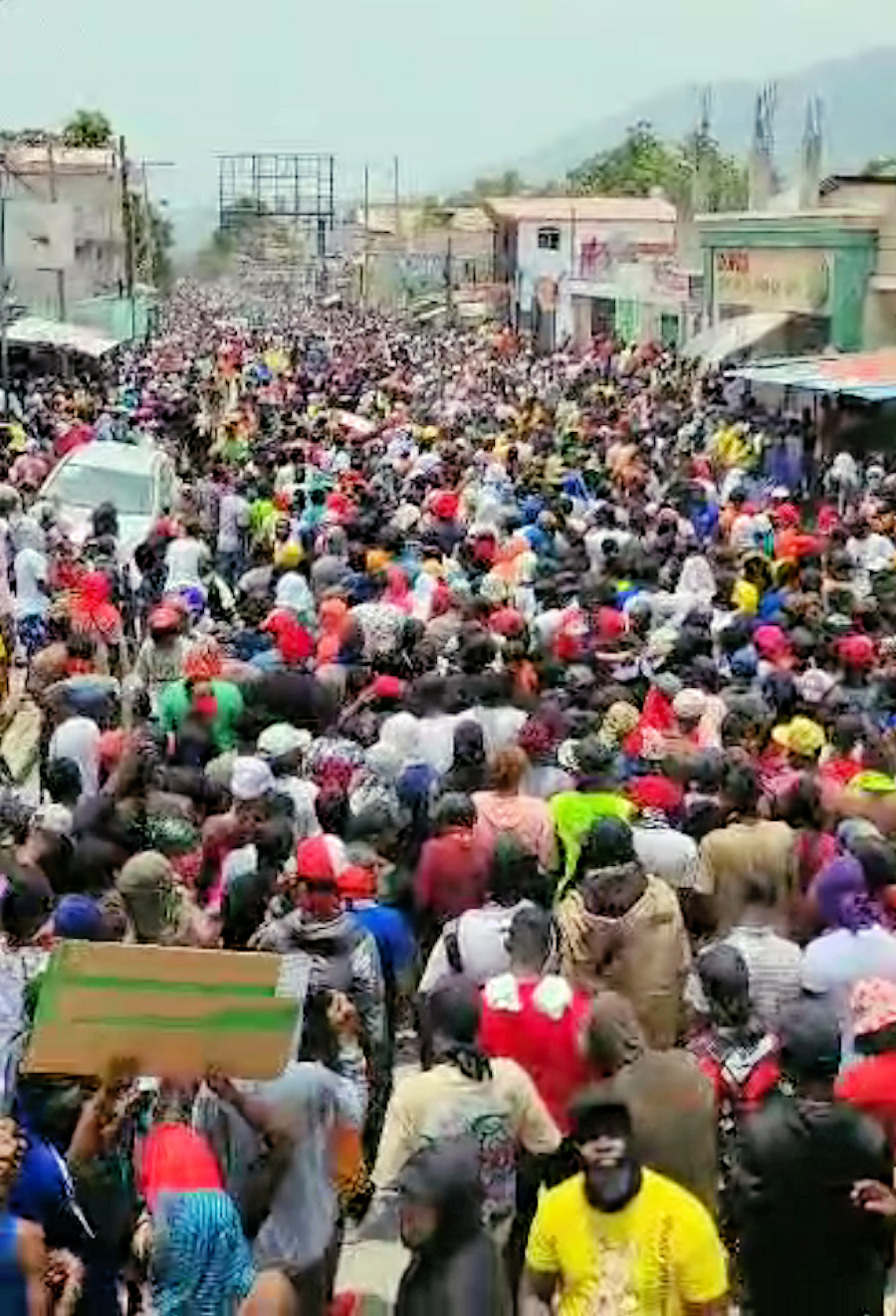
Jun. 20: Many thousands march through Carrefour to demand schools, hospitals, roads, water, and electricity for their neighborhoods, the removal of the CPT along with Prime Minister Fils-Aimé, an end to the government’s explosive drone attacks, and for the U.S., France, and Canada to stop meddling in Haiti. It is organized by Caïd Christ-Roi “Krisla” Chéry, the local leader of the Viv Ansanm coalition.
Jun. 27: Homeland Security Secretary Kristi Noem announces that Temporary Protected Status (TPS) for over half a million Haitians legally living and working in the U.S. “expires on Aug. 3, 2025, and the termination will be effective on Tuesday, September 2, 2025.” Haitians vow to legally fight the premature termination which was to end in February 2026.
Jul. 11: De facto Prime Minister Alix Didier Fils-Aimé travels for a five day visit with a five person delegation to Washington, DC, where he meets with several U.S. government officials as well as Albert Ramdin, the new OAS secretary general.
Jul. 15: The U.S. State Department issues its strongest travel advisory – Level 4 – for U.S. citizens, warning them to “not travel to Haiti due to kidnapping, crime, terrorist activity, civil unrest, and limited health care.”
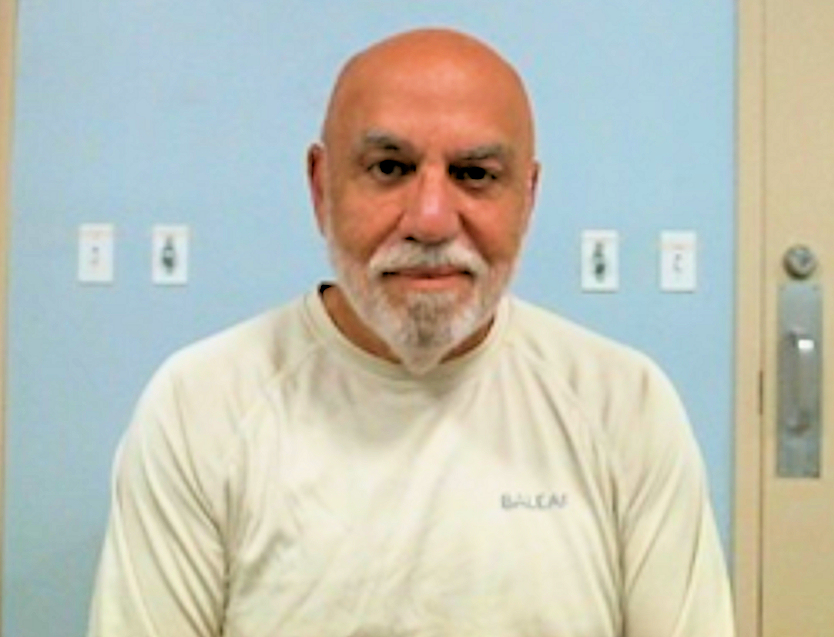
Jul. 17: Immigration and Customs Enforcement (ICE) agents arrest prominent Haitian businessman and politician Pierre Reginald Boulos at his home in Boca Raton, FL on charges of supporting Haitian “gangs” and violating immigration laws. The arrest shocks Haitians worldwide.
Jul. 18: Colombian president Gustavo Petro again visits Haiti for 24 hours, apparently expecting to return to his country with some or all of the Colombians imprisoned for their role in Jovenel Moïse’s 2021 assassination. Disappointed, he leaves Haiti precipitously, likely angry over his deception.
Jul. 22: A PNH unit launches a raid on a Gran Grif base in Liancourt but is ambushed, leaving three UDMO policemen dead along with two of their informants.
Jul. 30: OAS Secretary General Albert Ramdin presents a so-called roadmap for reestablishing democracy and development in Haiti. Analyst Henriot Dorcent calls it “a perfect guide for not resolving the crisis in Haiti and perpetuating the Haitian masses’ misery.”

Aug. 7: Laurent Saint-Cyr, who represents Haiti’s bourgeoisie on the CPT, becomes the fourth and final revolving president under the CPT’s mandate, which expires on Feb. 7, 2026. The bourgeois consortium, the Macaya Group, gains outsized influence over the Haitian state.
Aug. 12: The U.S. State Department offers a $5 million reward for “information leading to the arrest” of Jimmy Cherizier while Jeanine Pirro, Attorney for the District of Columbia, unveils an indictment charging that Cherizier and truck driver Bazile “Fredo” Richardson, his childhood friend now living in the U.S., constitute an “unusual and extraordinary threat” to U.S. national security.

Aug. 14: Reuters reports that Erik Prince’s new mercenary force, Vectus International, has a 10-year contract to fight Haiti’s armed groups and also to secure Haiti’s border crossings.
Aug. 19: Viv Ansanm’s spokesman Jimmy Cherizier reads an open letter to Carlos Ruiz-Massieu, the new head of the United Nations Integrated Office in Haiti (BINUH), laying out the group’s analysis of recent Haitian history and calling for dialogue and an end to foreign military interventions.
Aug. 28: The U.S. and Panama introduce a draft resolution to the UN Security Council which would siphon off money from the UN’s peace-keeping budget to help pay for a new and larger (5,500 troops) “Gang Suppression Force” in Haiti and give it complete autonomy.

Sep. 1: The Port-au-Prince Bar Association issues a report that calls de facto Prime Minister Fils-Aimé’s plans to rewrite the Haitian Constitution a “fraud,” thereby torpedoing the project.
Sep. 2: A policeman publicly murders and burns a young man nicknamed “Tiponyèt” at Delmas 33.
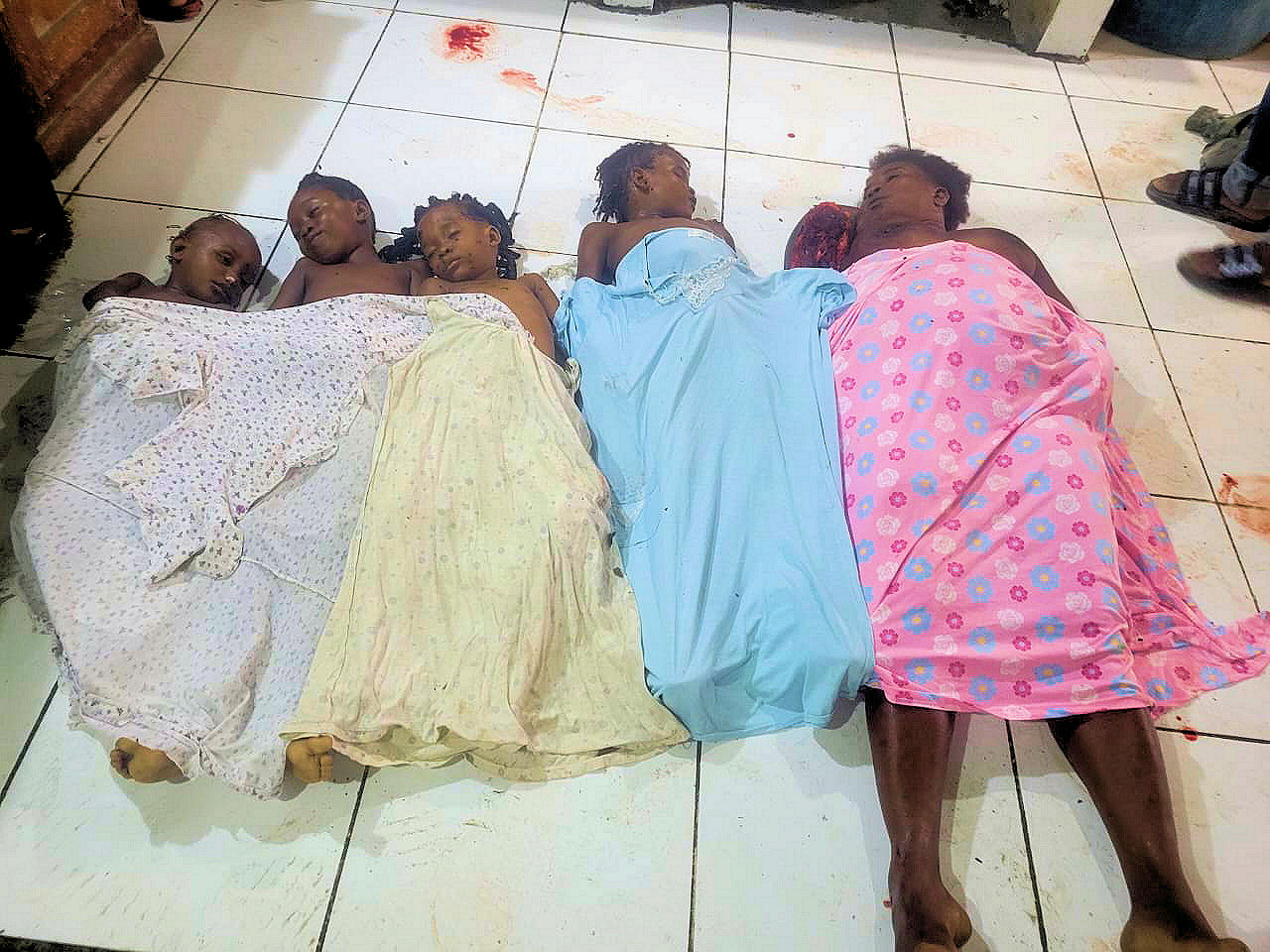
Sep. 20: In the poor Port-au-Prince neighborhood of Simon Pélé, two explosive government drones attack a birthday party, killing up to 15 people, including eight children.
Sep. 22: On the eve of the 80th annual United Nations General Assembly, an important meeting is held to discuss the upcoming Security Council vote on the proposed GSF resolution, including de facto Haitian president Laurent Saint-Cyr, Kenyan President William Ruto, and U.S. Deputy Secretary of State, Christopher Landau. “There’s no other crisis that’s bigger in the Western Hemisphere… than this one in Haiti,” says U.S. Chargé d’Affaires to Haiti Henry Wooster in a press conference beforehand.
Sep. 23: ICE agents arrest Haitian businessman Dimitri Vorbe in Miami.
Sep. 25: Haitian police in Ouanaminthe unjustifiably arrest Pastor Moïse Joseph, president of the committee responsible for the construction of the KPK canal, built to channel water from the Massacre River to irrigate the Maribahoux plain, provoking widespread popular outrage.
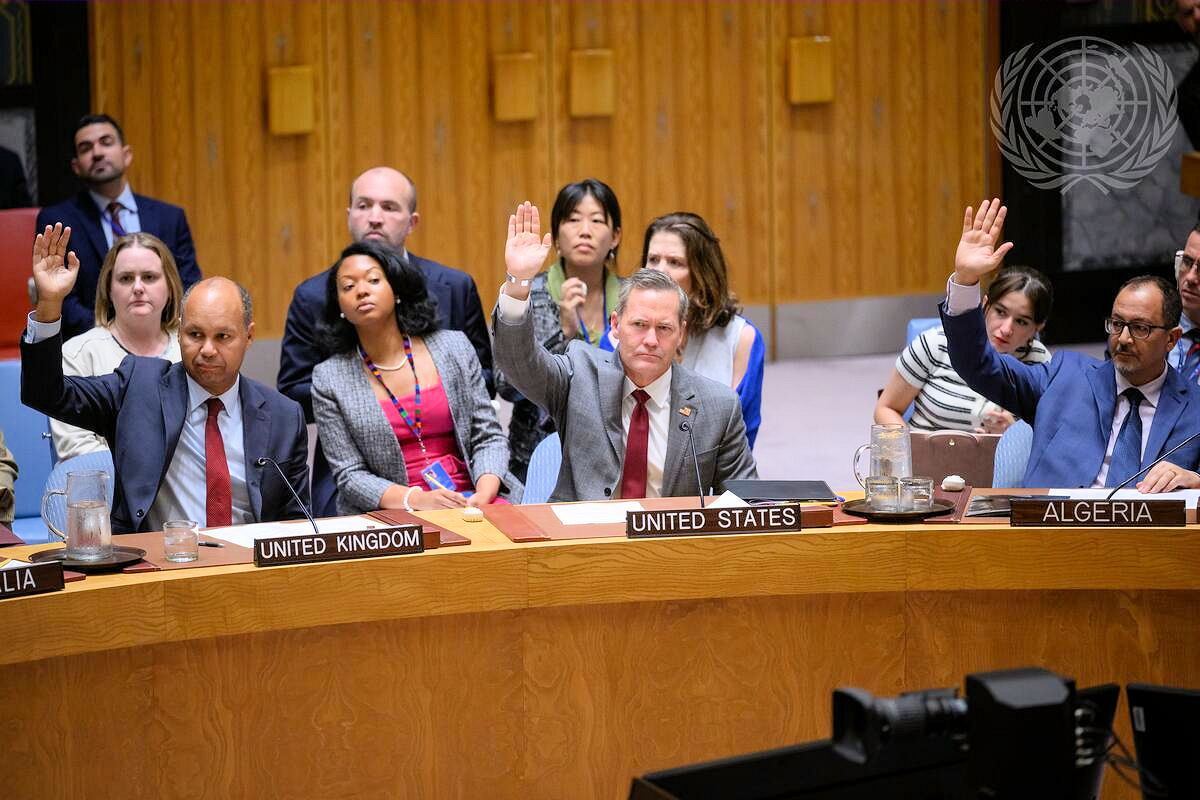
Sep. 30: The UN Security Council passes Resolution 2793 authorizing the GSF, with 12 in favor and three abstaining (Russia, China, Pakistan).
Oct. 4: Hundreds of residents of Simon Pélé gather for a funeral service for nine victims of the Sep. 20 drone attack, which killed eight children.
Oct. 6: Workers in the CODEVI industrial park in Fort Liberté demonstrate against the de facto Haitian government garnishing 10% taxes rom their low wages.

Oct. 18: The nine CPT members and PM Alix Didier Fils-Aimé meet with a delegation from the U.S. Embassy headed by Chargé d’Affaires Henry Wooster, underlining the de facto government’s subservience.
Oct. 31: The de facto government decrees three days of mourning – Nov. 3-5 – for the 43 killed, 13 disappeared, 21 injured, and thousands made homeless by the passage of Hurricane Melissa over Haiti’s southern peninsula.
Nov. 10: Teachers at the State University’s Henry Christophe Campus in Limonade strike to demand back wages owed and better working conditions.

Nov. 10: Joseph “Lanmò Sanjou” Wilson issues a viral video showing and denouncing the Apaid family for running a Croix-des-Bouquets factory producing marijuana and hemp, both of which are illegal in Haiti.
Nov. 14: The PNH, GSF, FAdH, and “Task Force” mercenaries mount a huge punitive operation against the Viv Ansanm armed groups in Croix des Bouquets, during which they bomb and set fire to the Apaid factory. Viv Ansanm soldiers capture five of Prince’s mercenaries and shoot down one of his three helicopters.
Nov. 17: Thousands rally in Miragoâne to denounce a BINUH report criticizing local government commissioner/vigilante chief Jean Ernest Muscadin and express their support for him.
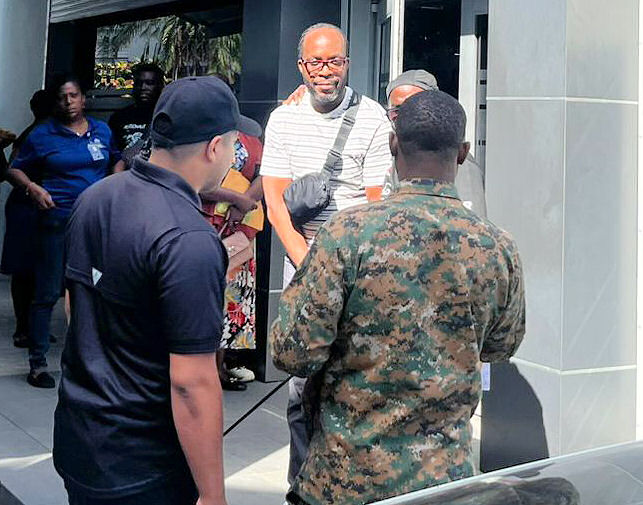
Nov. 23: Dominican authorities detain without charges popular Haitian YouTube analyst Max Louissaint (know as Ralph Laurent) as he entered Santo Domingo on personal business. He was released three days later, returning to his home in New Jersey.
Nov. 24: The State Department announces that it has yanked the travel visa for an unnamed “Haitian government official” for supposedly supporting Haiti’s gangs. The next day, the AP revealed it to be CPT member and former president Fritz Alphonse Jean, who suddenly develops nationalist indignation.
Dec. 2: OAS Secretary General Albert Ramdin visits Haiti for two days of talks with the CPT and Prime Minister as the Feb. 7, 2026 deadline looms.
Dec. 8: Another 230 Kenyan soldiers arrive in Port-au-Prince to join the GSF.
Dec. 9: Viv Ansanm soldiers attack a rogue Viv Ansanm armed group in Belair, freeing six kidnapped hostages which it was holding. The Belair group’s leader, Kempès Sanon, seeks refuge in Delmas 6, where he is taken into custody and transferred to Croix-des-Bouquets. Ten of his soldiers are killed in the fighting.
Dec. 18: Three government drones destroy the vehicles and machinery at the National Center for Equipment (CNE) near Cité Soleil. Jimmy Cherizier speculates it was because the CNE’s union was protesting corruption.
Dec. 20: CPT members Leslie Voltaire and Edgar Leblanc Fils along with PM Fils-Aimé triumphantly tour Solino as if to take credit for liberating the neighborhood, from which the Viv Ansanm withdrew months ago as a peace gesture.
2023 Retrospective 2022 Retrospective
2021 Retrospective 2020 Retrospective
2019 Retrospective 2018 Retrospective